FXOpen
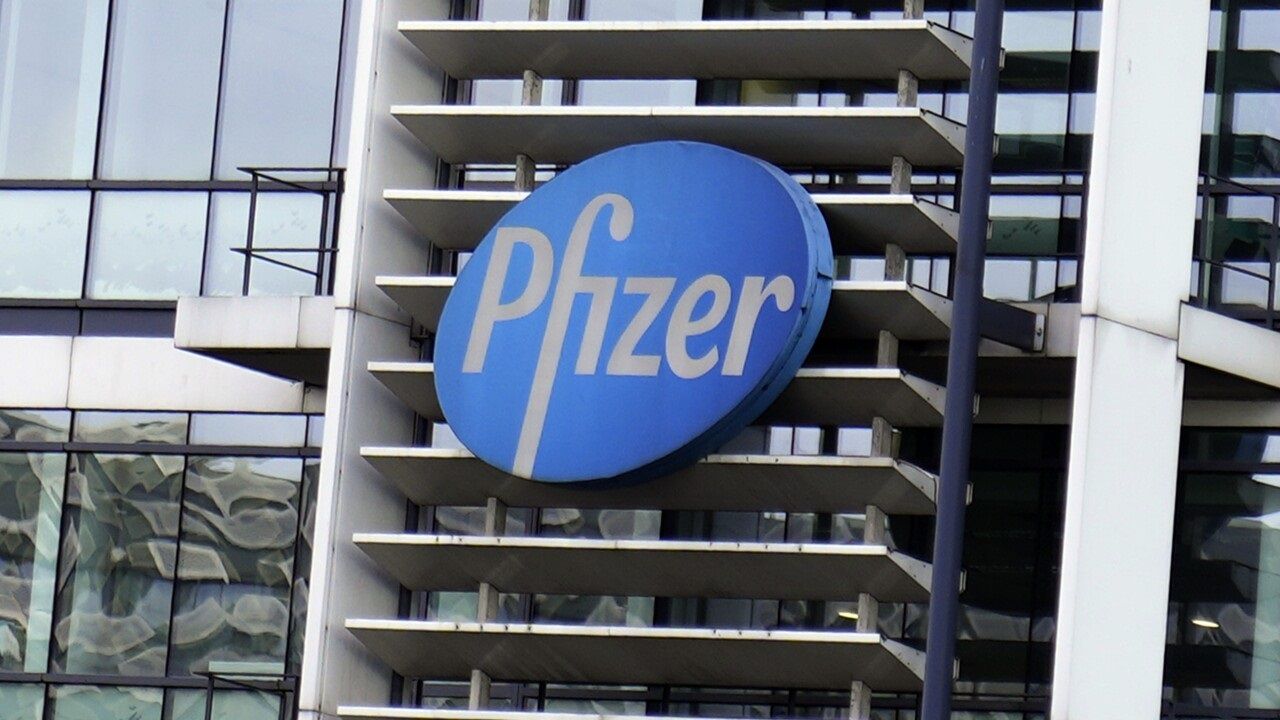
During the course of the years 2020 and 2021, the 'big pharma' stocks, a phrase referring to publicly listed shares in large, multinational pharmaceautical companies, had been riding the wave of popularity during a time at which every newspaper and television channel was repeatedly churning out Covid-related messages.
That has largely subsided, and the big pharma stock trading frenzy has subsided along with it, as the focus has turned toward volatile major currencies and inflationary Western economies.
This week, however, a return of attention to the big pharma stocks has begun, especially with the news reporters in Europe and America beginning to busy themselves with almost risible reports of 'monkeypox', using the very same dialog as was used in March 2020.
Two days ago, Belgium became the first country to begin looking at imposing restrictions on the public in the same way that many Western countries did for over a year during 2020 and 2021.
The public may well not be on side with any potential attempts to restrict business or society, but there is a degree of movement within big pharma stocks.
The market price of Pfizer, listed on the New York Stock Exchange, has only moved up by 1% over the past trading day, however it has been one of the most actively traded stocks in all markets during yesterday's US trading session.
At the close of the US trading session yesterday, Pfizer stock was listed among the S&P500's most active stocks, and whilst not a massive gainer, many traders had begun to view the stock and make active trades in it.
The 1% increase in value took the price of Pfizer stock to $53.41 per share at the close of business on Tuesday May 24, meaning that it is currently very level and steady with very little volatility, but small trades are being made.
It was the sixth most active stock on the New York market yesterday, meaning that the market is braced for any action by global governments which could invoke restrictions.
Given that the World Health Organization (WHO) is looking to nations to sign an agreement giving it jurisdiction over the imposition of restrictive measures in many member countries at a time when the news is resorting to similar language that was used two years ago has clearly peaked the attention of some traders.
This article represents the opinion of the Companies operating under the FXOpen brand only. It is not to be construed as an offer, solicitation, or recommendation with respect to products and services provided by the Companies operating under the FXOpen brand, nor is it to be considered financial advice.
Stay ahead of the market!
Subscribe now to our mailing list and receive the latest market news and insights delivered directly to your inbox.


Latest articles

European Currencies Strengthen: Dollar Under Pressure Following Ceasefire News
European currencies posted solid gains, while the US dollar came under pressure amid easing geopolitical tensions following reports of a two-week ceasefire agreement between the United States and Iran. Reduced demand for so-called safe-haven assets acted as the primary driver,

Brent Crude Price: Ceasefire Wipes Out the Geopolitical Premium
For several weeks, the oil market remained directly influenced by the US-Iran tensions. Threats to close the Strait of Hormuz kept Brent prices within the $97–110 range. Overnight on 8 April, the parties announced a two-week ceasefire, and the