


FXOpen

The release of US inflation data has led to a downward pullback for the USD in pairs such as USD/CAD, NZD/USD, and AUD/USD. Currently, these pairs are trading near key levels, with rebounds from these points potentially driving increased volatility and shifts in medium-term trends.
AUD/USD
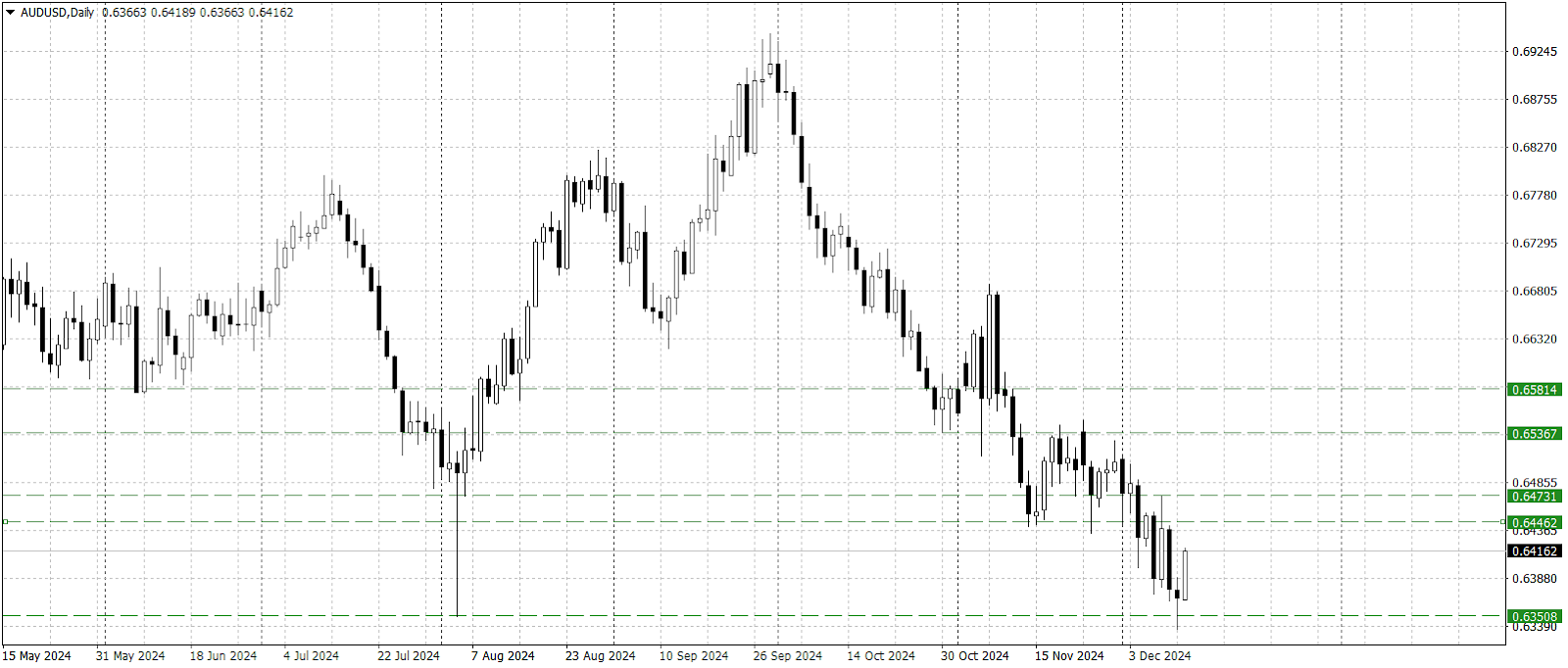
This week, the AUD/USD pair hit new yearly lows near 0.6350. The price stopped just short of 0.6320 before correcting to 0.6400. If the upward correction continues, the pair may test resistance at 0.6470–0.6450. Price action around these levels could provide further direction for the pair. A break and hold above 0.6500 may pave the way for gains toward 0.6620–0.6570. Conversely, a rebound from 0.6470–0.6450 could trigger a new bearish impulse, possibly leading to fresh lows.
Key events likely to influence AUD/USD pricing:
→ Today at 16:30 (GMT+3): Weekly US Initial Jobless Claims data release.
→ Today at 16:30 (GMT+3): US Producer Price Index (PPI) publication.
→ Tomorrow at 05:00 (GMT+3): Release of the Thomson Reuters/Ipsos Primary Consumer Sentiment Index (PCSI) for Australia in December.
USD/CAD
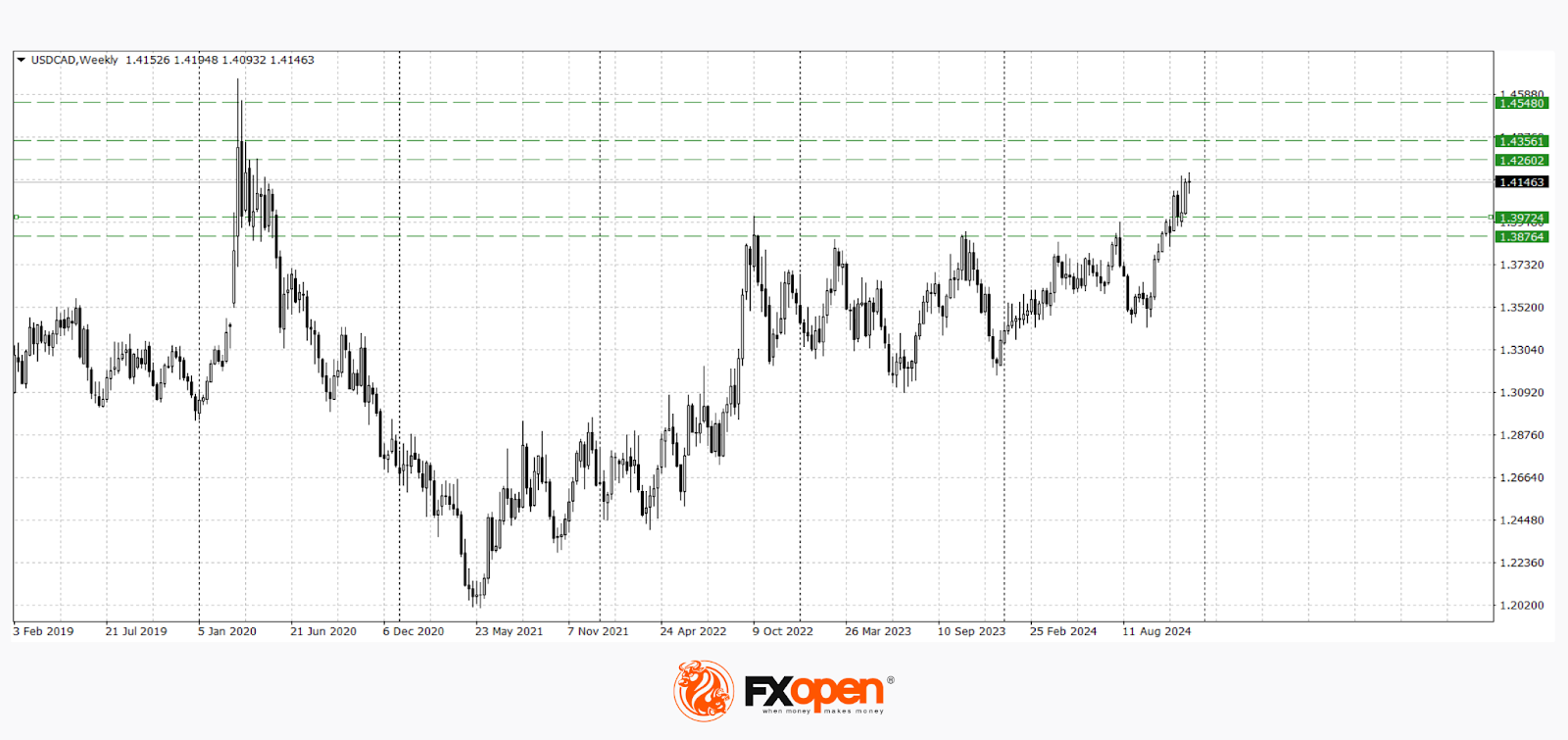
Last week, USD/CAD buyers not only reached new yearly highs but also tested significant resistance near 1.4200. Yesterday’s US inflation data prompted a retreat from 1.4200, resulting in daily losses of about 80 pips. Nevertheless, as long as the pair trades above 1.4100–1.4000, the chances of resuming the upward trend remain high.
In the coming sessions, a retest of 1.4120–1.4100 is possible. Should these levels hold as support, a new bullish impulse toward 1.4350–1.4260 may follow. A deeper downward correction could occur if the pair breaks and holds below 1.4000–1.3960.
Key news likely to influence USD/CAD movement:
→ Today at 16:30 (GMT+3): October Building Permits data from Canada.
→ Tomorrow at 16:30 (GMT+3): Canadian Manufacturing Sales (m/m) report.
Trade over 50 forex markets 24 hours a day with FXOpen. Take advantage of low commissions, deep liquidity, and spreads from 0.0 pips (additional fees may apply). Open your FXOpen account now or learn more about trading forex with FXOpen.
This article represents the opinion of the Companies operating under the FXOpen brand only. It is not to be construed as an offer, solicitation, or recommendation with respect to products and services provided by the Companies operating under the FXOpen brand, nor is it to be considered financial advice.
Stay ahead of the market!
Subscribe now to our mailing list and receive the latest market news and insights delivered directly to your inbox.


Latest articles

Market Analysis: GBP/USD Dips Further As EUR/GBP Regains Traction
GBP/USD failed to climb above 1.3500 and corrected some gains. EUR/GBP started a decent increase and might aim for more gains above 0.8700.
Important Takeaways for GBP/USD and EUR/GBP Analysis Today
· The British Pound


Market Insights with Gary Thomson: Oil, US Retail Sales & NFP in Focus
In this video, we’ll explore the key economic events and market trends, shaping the financial landscape. Get ready for insights into financial markets to help you navigate the week ahead. Let’s dive in!
In this episode of Market