


FXOpen

The week ahead of us is critical for the currency market. On Wednesday, we have the inauguration day in the United States, as Joe Biden will officially become the new President. The Biden’s administration economic agenda is based on three pillars – fiscal stimulus, infrastructure spending, bringing back the Obamacare program – and the markets will closely monitor the developments in these three areas.
One day later, FX traders have the first major central bank meeting of the year, as the European Central Bank (ECB) announces its decision this coming Thursday. The central bank made it clear that the Euro is too high and that the higher EURUSD exchange rate weighs on inflation, but that did not stop the EURUSD rate from reaching 1.23.
In the meantime, the exchange rate eased from the highs, trading below 1.21 – is this the start of a new cycle for the EURUSD pair?
Fed vs. ECB
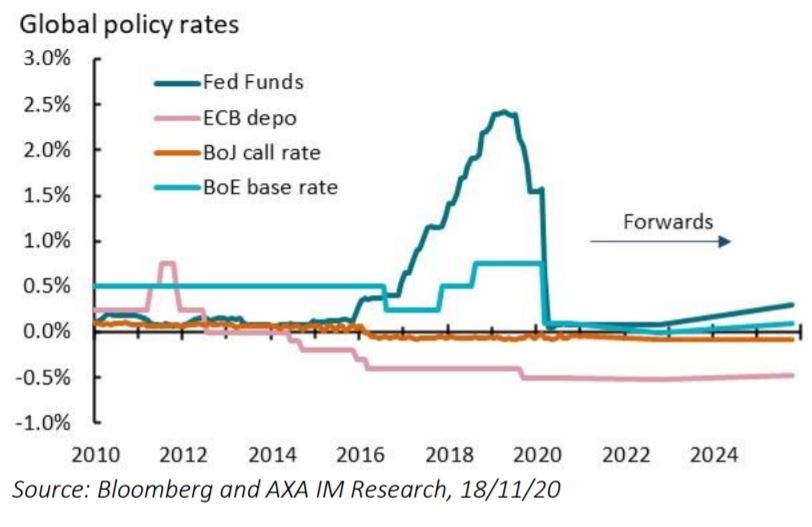
The pandemic caught the ECB already having the interest rate in negative territory. In the aftermath of the European sovereign crisis in 2012, the ECB lowered the deposit facility below zero, where it still is at present. As such, the central bank was forced to use other unconventional tools to ease the policy during the pandemic.
So did the Fed. But the Fed opted to avoid negative rates and to focus more on stimulating the business environment by printing huge amounts of new dollars. In 2020 alone, the Fed printed over 30% of all the dollars ever created. Yet, this did not translate into inflation, although it is too early to tell at this point if inflation will be a theme in the years ahead.
The Fed’s actions sent the dollar lower, and the ECB and other central banks had little or no power to stop the dollar’s decline. As such, the Euro and the other G10 currencies, all appreciated against the dollar.
Now that the crisis is adverted, as suggested by the available vaccines and the vaccination programs around the world, the market may choose to revert the dollar decline theme seen during the pandemic. If that is the case, this week, we should see the first signs of a trend change.
Global policy rates are close to zero and are expected to remain so for the foreseeable future. Only in 2023 and beyond the major central banks are forecasted to lift the rates. However, even then, the ECB’s deposit facility rate is predicted to remain below zero.
Therefore, judging by the interest rate differential that exists and will keep existing in the years ahead, the market may see a sharp reversal in the EURUSD exchange rate.
This article represents the opinion of the Companies operating under the FXOpen brand only. It is not to be construed as an offer, solicitation, or recommendation with respect to products and services provided by the Companies operating under the FXOpen brand, nor is it to be considered financial advice.
Stay ahead of the market!
Subscribe now to our mailing list and receive the latest market news and insights delivered directly to your inbox.


Latest articles

Market Insights with Gary Thomson: Where Are Oil, Gas & Global Indices Heading?
In this video, we’ll explore the key economic events and market trends, shaping the financial landscape. Get ready for insights into financial markets to help you navigate the week ahead. Let’s dive in!
In this episode of Market

Netflix (NFLX) Shares Pull Back After a 30% Surge
On 21 January, while analysing the NFLX chart, we:
→ identified a descending channel and a resistance zone around the $100 level;
→ noted that Netflix shares were showing a sustained downtrend. Selling pressure had been triggered primarily by reports of a
US Dollar Index (DXY) Rises Above the 100 Level
Today the US Dollar Index (DXY) climbed above the psychological 100 mark for the first time in 2026, supported by a tense fundamental backdrop, with the military conflict in the Middle East acting as the main driver.
→ Financial market participants