


FXOpen
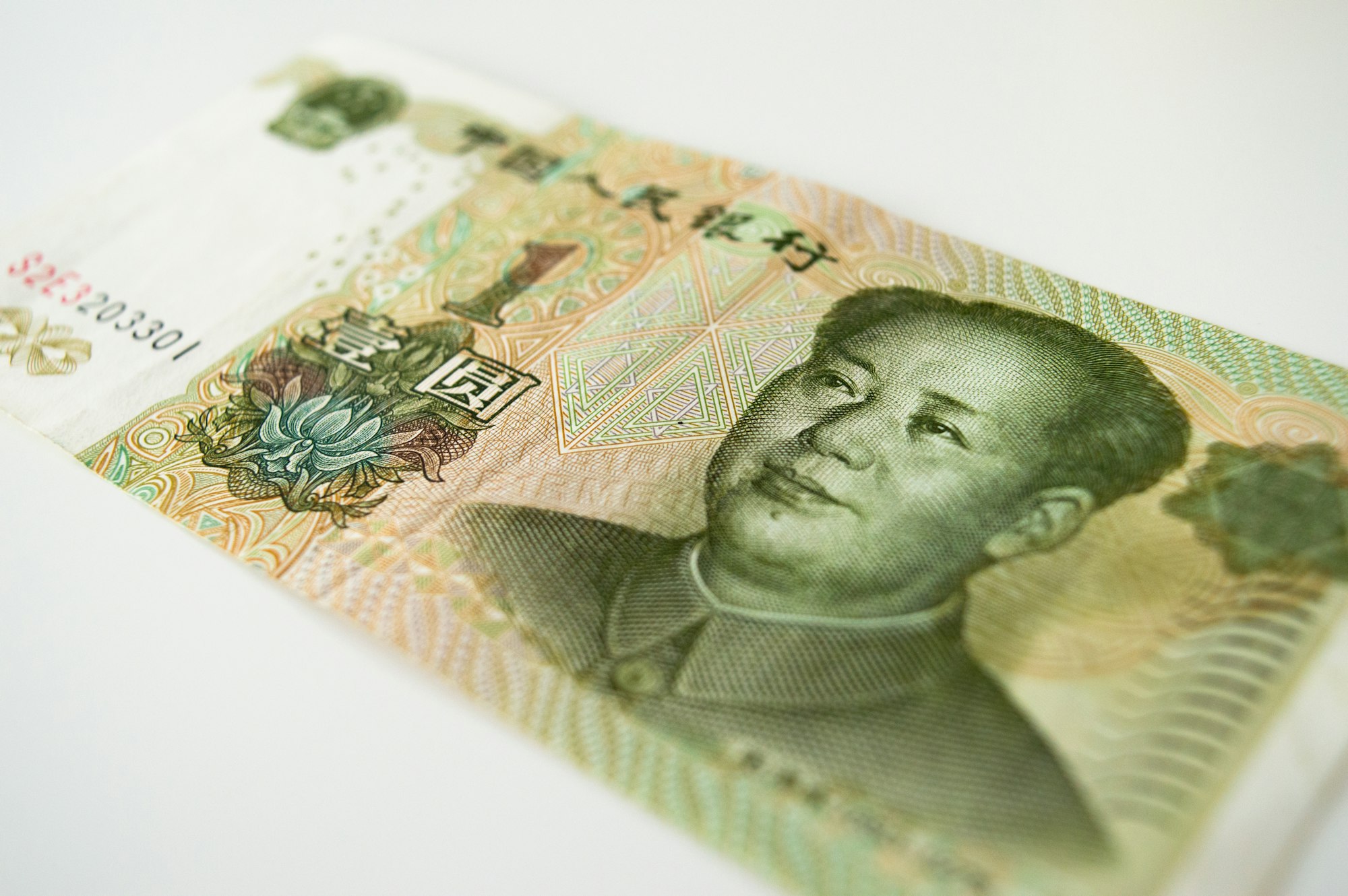
For those who have become weary at the constant barrage of negative news emanating from the United States regarding its economy which appears to be flagging, a quick glance beyond the borders of the Western world would perhaps be a reference point which shows a very different picture.
China's economy may well be romping ahead, and appear to be the world's dominant force along with other regions in Asia such as South Korea and India, however despite its high levels of productivity, the Yuan is at a 17-year low against the US dollar.
That is quite some metric. The Chinese government have attributed this to 'global market volatility', and have begun to lower the required ratio of Forex holdings from 9% to 8% in order to attempt to counteract the Yuan's low value against the US Dollar.
As of May 15 this year, all financial institutions in China must retain 8% of their foreign currency in reserve which is a decrease from the current 9% level.
This is supposed to increase the supply of US dollars alongside other major currencies which is aimed at making an effort to strengthen the Yuan against its trading peers.
Overall, Chinese officials are maintaining a calm exterior, emphasising that the Yuan 'remains basically stable' and that these current fluctuations against the Dollar are down to market volatility in other regions of the world.
Until recently, volatility among major currencies was relatively rare, however over the past two years it has increased as various factors have made substantial changes to the economies of America and Europe.
It could therefore be considered that this 17-year low for the Yuan is not representative of the Yuan's weakening performance, but more of a symbol of Western volatility.
Wang Chunying of the Chinese government's State Administration for Foreign Exchange has explained to the press that the recent value differences between teh Yuan and other currencies have been 'stable and healthy'.
Should this be taken at face value, it shows that the world is currently in a position of volatile markets across many currencies, something which had been absent for many years previously.
This article represents the opinion of the Companies operating under the FXOpen brand only. It is not to be construed as an offer, solicitation, or recommendation with respect to products and services provided by the Companies operating under the FXOpen brand, nor is it to be considered financial advice.
Stay ahead of the market!
Subscribe now to our mailing list and receive the latest market news and insights delivered directly to your inbox.


Latest articles

Market Insights with Gary Thomson: Where Are Oil, Gas & Global Indices Heading?
In this video, we’ll explore the key economic events and market trends, shaping the financial landscape. Get ready for insights into financial markets to help you navigate the week ahead. Let’s dive in!
In this episode of Market
Netflix (NFLX) Shares Pull Back After a 30% Surge
On 21 January, while analysing the NFLX chart, we:
→ identified a descending channel and a resistance zone around the $100 level;
→ noted that Netflix shares were showing a sustained downtrend. Selling pressure had been triggered primarily by reports of a
US Dollar Index (DXY) Rises Above the 100 Level
Today the US Dollar Index (DXY) climbed above the psychological 100 mark for the first time in 2026, supported by a tense fundamental backdrop, with the military conflict in the Middle East acting as the main driver.
→ Financial market participants